ภาพดาราศาสตร์วันนี้ — 14 กุมภาพันธ์ 2569
คัดโดย NASA (Astronomy Picture of the Day) · สรุปภาษาไทยโดย The World Ready · ไม่ได้แปลคำต่อคำทั้งก้อน
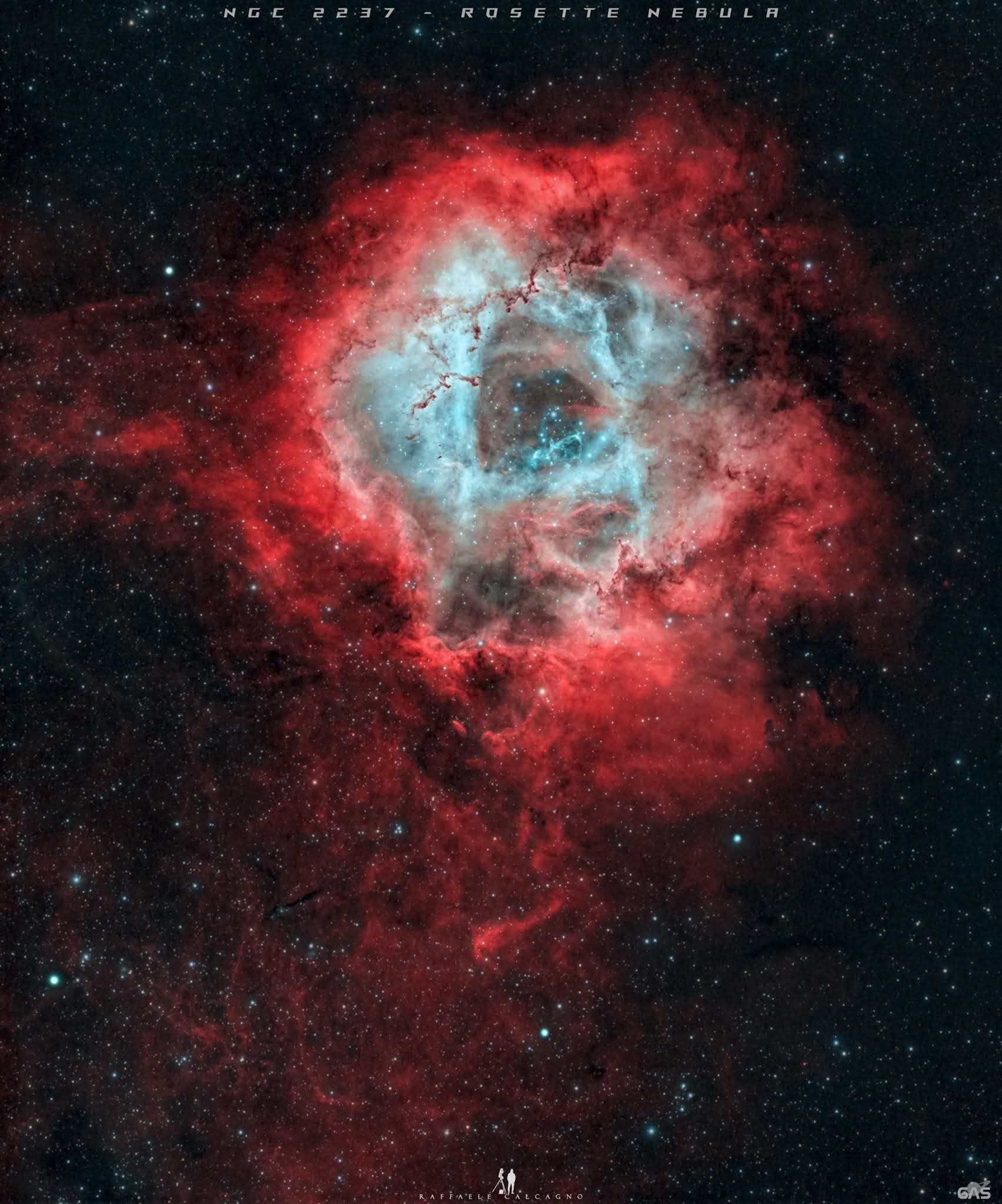
Roses are Red
วันนี้ NASA เลือกภาพหมวดเนบิวลา ชื่อ “Roses are Red” เป็นภาพดาราศาสตร์ประจำวัน
เมฆแก๊สและฝุ่นในอวกาศ — ที่กำเนิดดาวดวงใหม่ หรือซากดาวที่ระเบิดแล้ว
ที่มา: NASA APOD · เครดิตภาพ: Keighley Rockcliffe · เปิดภาพความละเอียดสูง
คำอธิบายต้นฉบับ (ภาษาอังกฤษ)
Roses are red, nebulas are too, and this Valentine's gift is a stunning view! Pictured is a loving look at the Rosette Nebula (NGC 2237): a cosmic bloom of bright young stars sitting atop a stem of glowing hot gas. The rose’s blue-white speckles are among the most luminous stars in the galaxy, with some burning millions of times brighter than the Sun. Their stellar winds sculpt the famed rose shape by pushing gas and dust away from the center. Though only a few million years old, these massive stars are already nearing the end of their lives, while dimmer stars embedded in the nebula will burn for billions of years to come. The vibrant red hue comes from hydrogen gas, ionized by the ultraviolet light from the young stars. The rose’s blue-white center is color-mapped to indicate the presence of similarly ionized oxygen. The Rosette Nebula reminds us of the beauty and transformation woven into the fabric of the universe.
คำถามที่พบบ่อย
NASA APOD คืออะไร?
Astronomy Picture of the Day คือโครงการของ NASA ที่คัดภาพดาราศาสตร์วันละหนึ่งภาพตั้งแต่ปี 1995 พร้อมคำอธิบายจากนักดาราศาสตร์ หน้านี้ดึงจาก API ทางการแล้วสรุปเป็นภาษาไทย
ภาพนี้ใช้ฟรีได้ไหม?
ภาพที่ NASA ผลิตเองส่วนใหญ่เป็นสาธารณสมบัติของรัฐบาลสหรัฐฯ แต่บางวันเป็นภาพของนักถ่ายภาพรับเชิญ ต้องดูเครดิตด้านล่างภาพ — เราใส่ชื่อเจ้าของทุกครั้งที่มี
ทำไมบางวันเป็นวิดีโอ?
NASA เลือกสื่อที่ดีที่สุดของวันนั้น อาจเป็นภาพนิ่ง วิดีโอ YouTube หรือแอนิเมชันจากกล้องอวกาศ
ต่างจากหน้าดาวเทียมของเว็บนี้อย่างไร?
หน้าดาวเทียมโชว์ตำแหน่งโคจรแบบเรียลไทม์ หน้านี้โชว์ภาพสวยของจักรวาลที่ NASA คัดมาให้ดูวันละภาพ พร้อมบริบทภาษาไทย
หน้านี้ใช้ NASA APOD API อย่างเป็นทางการ แคชไว้บนเซิร์ฟเวอร์เรา ไม่ได้คัดลอกเว็บต้นทางมาทั้งหน้า คำอธิบายภาษาไทยเป็นการสรุปบริบทโดยกองบรรณาธิการ The World Ready